Always on hand to provide guidance on issues as they arose, their sensitive approach and steadfast commitment allowed us to unlock the development potential.
ABOUT US
ABOUT US
Every site arrives with its own logic. Before the brief is written, before the first drawing is made, the patterns are already there: in how water moves across the land, in the paths individual people instinctively take, in the ground conditions that will shape what is possible. The potential is latent. The discipline is in drawing it out.
That is where we begin. Not with what needs to be added, but with what is already present. A deliberate step back before we step in: not to delay, but to read the place properly.
When you understand how a site naturally drains, where people need to move and pause and gather, how it connects to the communities and infrastructure around it, something useful happens. The design starts to emerge from the site rather than being imposed on it. The cost case follows from there. Unlocking what a place already offers is always less expensive than engineering around it later.
And when the scheme reaches planning, it can already answer not just why here, but why not another site. The logic of the place has been understood. It makes its own case.
Designing it right, from the outset. Everything that follows is faster, cleaner, and more likely to get built. We think the starting point matters more than many give it credit for.
Always on hand to provide guidance on issues as they arose, their sensitive approach and steadfast commitment allowed us to unlock the development potential.
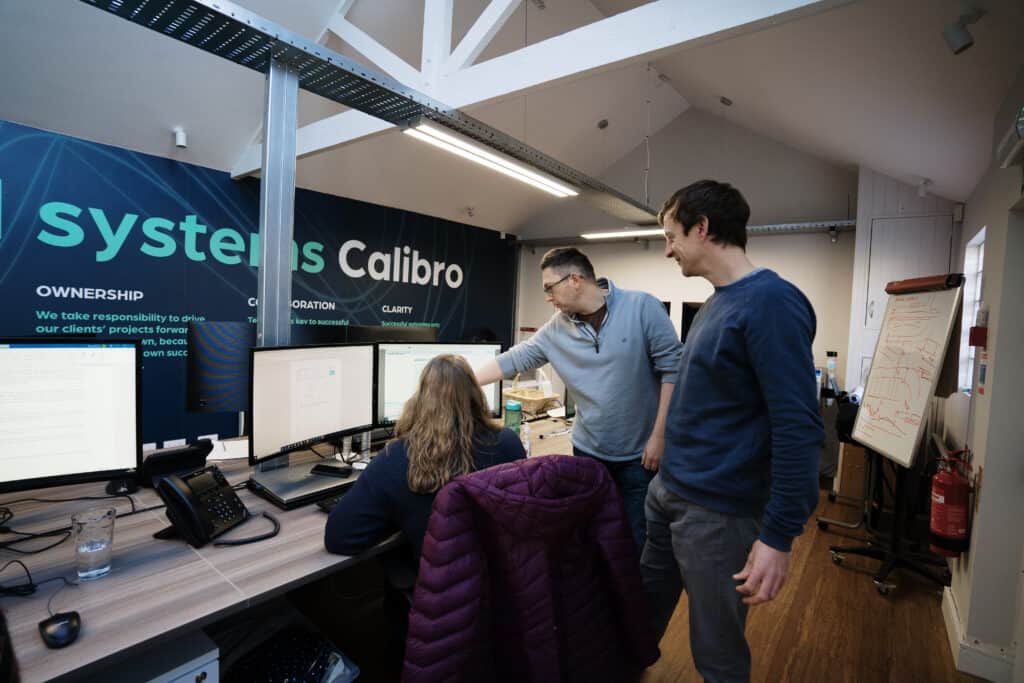
The people who work here share something beyond their discipline. They are curious in the same way: drawn to the bigger question, not just the technical answer. Drawn to understanding how a place works as a whole, not just the part of it they have been asked to address.
You feel it in the work. A transport approach that has already been working out how people need to move between places and communities, and how drainage will shape where those connections can run. A flood risk approach that has already mapped how land topography defines drainage corridors, and where green transport networks can make the most of the routes those corridors naturally create. An infrastructure scheme that factors in both where surface water goes and how communities will move through the spaces it creates.
That does not happen by accident. It happens because the disciplines share the same starting point. Bring us in for one specialism and you get people who have already been thinking about the others. The thinking comes as standard. And it is always in service of the same thing: getting the scheme through, and getting it built.
A place designed around the people who will actually use it does not just feel better. It performs.
Water that has a place in the design from the start: not piped away, but held, directed and made part of how a place works and feels. Movement networks that not only get you where you need to be, but create the conditions for incidental encounter along the way.

These are not idealistic goals. They are the outcomes of asking the right questions at the right stage. We will challenge a brief when the evidence does not support it. Not to complicate the project, but to protect it. When design decisions are grounded in how people genuinely move through and relate to a place, they hold up under scrutiny. They get through planning. They get built. And after they are built, they work.
The people here chose to be here. That matters more than it might sound. There is a kind of professional who is drawn to the bigger question, who wants to do the thinking rather than just deliver the output.
We attract that kind of person, and retain them, because the work reflects their values. That consistency of outlook is not an accident of culture. It is what makes the standard consistent across every project, regardless of who is leading it.
If you want a team that meets the brief and moves on, we are probably not the right fit. If you want a practice that thinks ahead of the brief, that will bring you a more considered answer than the one you asked for because the evidence pointed somewhere more useful, talk to us.
Talk to our team about your project.
Call 03333 050526
or email us